 SulitFinds
How to Save on Electricity Bills in the Philippines: Practical Tips That Work
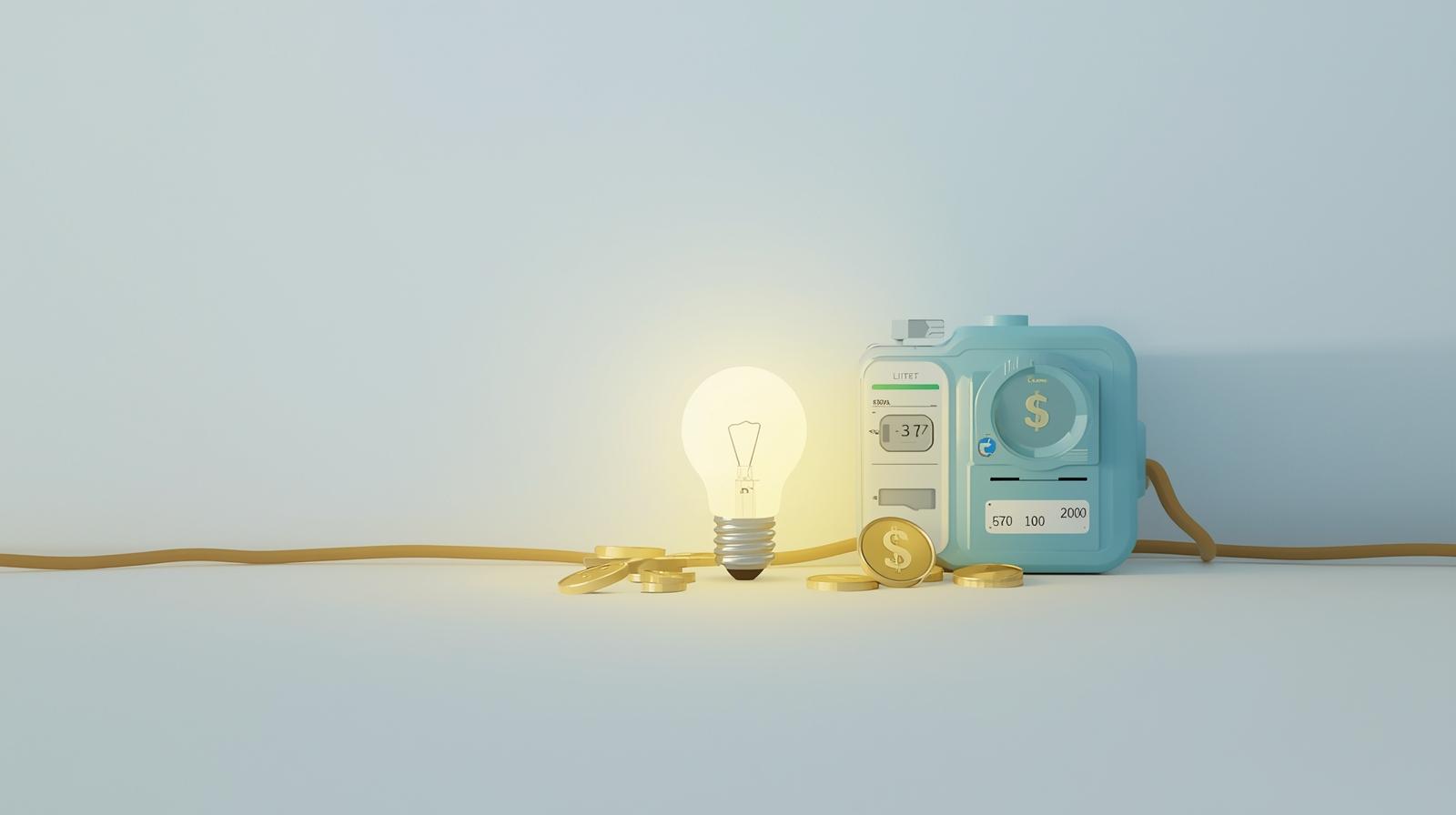
Practical ways to lower your monthly electricity bill in the Philippines. Simple habit changes and appliance tips that reduce costs without sacrificing comfort.
Written by SulitFinds Editorial Team
We prioritize practical local context and reader-first recommendations. See how we research and review content.
High electricity bills are a common pain point for Filipino households. With rates that seem to climb every year, finding ways to cut consumption without sacrificing comfort makes a real difference in your monthly budget.
This guide covers practical, proven methods to reduce your Meralco or local utility bill. No expensive investments required, just smart habits and a few adjustments to how you use your appliances.
Why electricity bills spike
Before cutting costs, understand what drives them up:
- Air conditioning is the biggest power consumer in most homes. A window-type AC running 8 hours daily can account for 40-60% of your bill.
- Refrigerators run 24/7, so their efficiency matters more than other appliances.
- Phantom loads from devices on standby (TV, chargers, routers) add up silently.
- Old appliances without inverter technology consume more power for the same output.
- Peak hour usage does not affect your bill directly, but understanding consumption patterns helps.
Knowing where your power goes helps you target the right areas.
Cooling without breaking the bank
Air conditioning is the biggest opportunity for savings. Try these approaches:
If you use AC:
- Set temperature to 25-26°C instead of the coldest setting. Each degree lower adds roughly 3-5% to consumption.
- Use a timer to turn off AC after you fall asleep. Most people sleep fine once the room cools down.
- Clean filters every 2 weeks. Dirty filters force the compressor to work harder.
- Close doors and windows completely. Even small gaps make the AC run longer.
- Use curtains or blinds during afternoon heat to reduce the cooling load.
If you want to reduce AC use:
- Use electric fans to circulate cool air. A fan uses about 50-75 watts versus 700-1,500 watts for AC.
- Position fans near windows at night to pull in cooler outside air.
- Consider a tower fan for quieter, more efficient airflow.
- Open windows early morning and late evening when outdoor temps drop.
No AC option:
- Cross-ventilation works if your home has windows on opposite sides.
- Bamboo or rattan blinds block heat while allowing airflow.
- Light-colored curtains reflect sunlight instead of absorbing it.
Refrigerator efficiency
Your ref runs non-stop, so small improvements add up over months:
- Keep the refrigerator at least 70% full. A fuller fridge retains cold better than an empty one.
- Do not put hot food directly inside. Let it cool to room temperature first.
- Check door seals for gaps. A worn seal lets cold air escape constantly.
- Keep the ref away from heat sources like stoves or windows with direct sunlight.
- Defrost manual-defrost models regularly. Ice buildup forces the compressor to work harder.
- Set temperature to the middle setting unless you need maximum cold.
If your refrigerator is over 10 years old, it likely uses significantly more power than newer inverter models. The math on replacement depends on your usage, but it is worth calculating.
Kill phantom loads
Standby power is sneaky. These devices draw power even when "off":
- TV and entertainment systems
- Phone and laptop chargers left plugged in
- Desktop computers in sleep mode
- Microwave ovens (the clock uses power 24/7)
- Smart home devices and routers
Simple fixes:
- Unplug chargers when not in use.
- Use a power strip with a switch for entertainment setups. One flip turns everything off.
- Unplug the microwave if you rarely use the clock.
- For devices that need to stay on (routers, security cameras), accept the cost as necessary.
Phantom loads typically account for 5-10% of household electricity use. Not huge, but easy to eliminate.
Lighting adjustments
Lighting is usually a smaller portion of bills, but still worth optimizing:
- Switch to LED bulbs if you have not already. LEDs use 75% less energy than incandescent bulbs.
- Turn off lights in empty rooms. Simple, but often ignored.
- Use natural daylight during the day. Position workspaces near windows.
- Use task lighting instead of lighting entire rooms. A desk lamp uses less than an overhead light.
- Consider motion-sensor lights for areas like bathrooms and hallways.
One LED bulb costs more upfront but lasts years and pays for itself within months through lower bills.
Laundry and ironing
Washing machines and irons are occasional but heavy power users:
- Wash full loads instead of multiple small loads.
- Use cold water for most laundry. Heating water consumes significant energy.
- Air-dry clothes instead of using a dryer when possible.
- Iron clothes in batches. Heating the iron repeatedly wastes energy.
- Iron clothes while slightly damp. They smooth out faster, reducing ironing time.
Water heating
If you have an electric water heater:
- Use a timer to heat water only when needed, not 24/7.
- Lower the thermostat setting. Most people do not need scalding hot water.
- Consider a smaller instant heater instead of a tank-type heater for single-point use.
- Insulate hot water pipes if they run long distances.
Many Filipino households do fine without electric water heaters. A quick cold shower or kettle-heated water for washing works for most.
Appliance buying tips for the future
When it is time to replace appliances, prioritize efficiency:
- Look for the yellow Energy Guide label. Lower kWh means lower operating cost.
- Inverter technology in AC and refrigerators adjusts power based on need instead of running full blast.
- Right-size your appliances. An oversized AC for a small room wastes energy.
- Calculate the payback period. A more efficient appliance might cost more upfront but save money over years.
Track your consumption
You cannot improve what you do not measure:
- Check your Meralco bill for kWh usage, not just the peso amount.
- Compare month-to-month to spot unusual spikes.
- Use the Meralco app to monitor consumption if available in your area.
- Consider a simple plug-in power meter (around P300-500) to measure individual appliance consumption.
Tracking helps you see which changes actually work.
Quick wins checklist
Start with these easy changes today:
- Set AC to 25-26°C instead of maximum cold
- Clean AC filters this week
- Unplug phone chargers when not in use
- Switch remaining incandescent bulbs to LED
- Use a power strip for TV and entertainment systems
- Check refrigerator door seals for gaps
- Wash laundry in full loads only
Realistic expectations
Savings depend on your starting point. A household already using efficient appliances and good habits will see smaller gains than one with old appliances and no awareness.
Typical savings from implementing these tips range from 10-30% of your monthly bill. For a household paying P3,000-5,000 monthly, that could mean P300-1,500 in savings, which adds up to significant amounts over a year.
The goal is not to live uncomfortably. It is to stop wasting power on things that do not improve your quality of life.
Quick FAQ
Question: Does turning appliances on and off frequently use more electricity than leaving them on?
Answer: For most modern appliances, no. The "surge" when turning on is minimal. Leaving appliances running when not needed wastes far more power than any startup surge.
Question: Are inverter appliances worth the higher price?
Answer: Usually yes, especially for appliances that run long hours like AC and refrigerators. The energy savings typically pay back the price difference within 1-3 years.
Question: Does the electric meter slow down at night?
Answer: No. Electricity rates in most Philippine areas are the same regardless of time. This is a common myth.
Question: Should I unplug the refrigerator when going on vacation?
Answer: Only if you empty it completely. A running ref with food inside is cheaper than returning to spoiled groceries. For short trips (under a week), leave it running.
Electricity rates and appliance efficiency vary. Results depend on your specific usage patterns and current habits.
Links may lead to Shopee or TikTok Shop listings. Always review seller ratings, product details, and return policies before buying. Purchases are your responsibility. See Disclaimer.