 SulitFinds
Budget Tower Fans and Portable Fans for Hot Weather in the Philippines
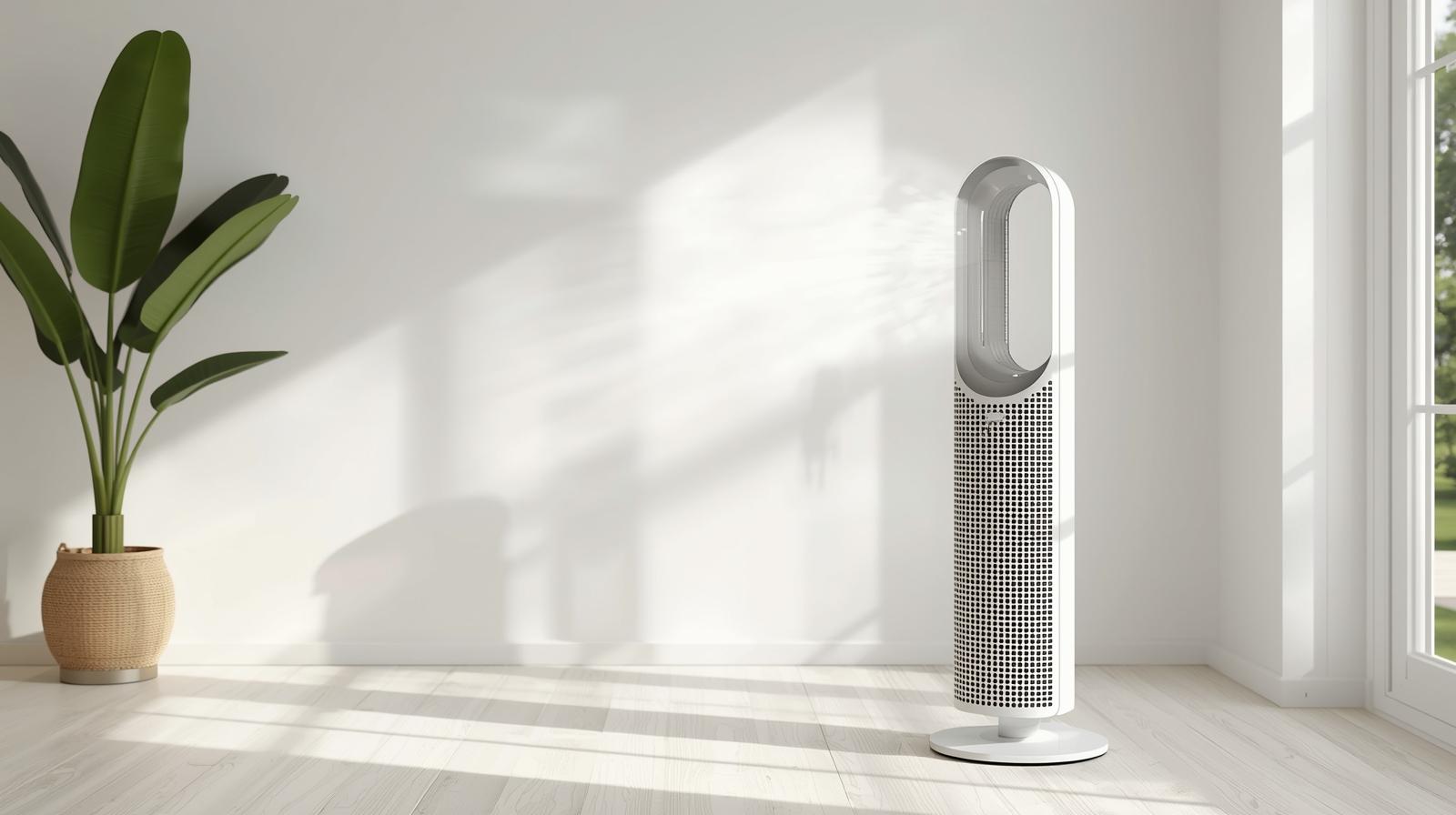
A practical fan-buying guide for Philippine weather with room-size logic, usage profiles, and three budget picks.
Written by SulitFinds Editorial Team
We prioritize practical local context and reader-first recommendations. See how we research and review content.
Cooling choices are often made too quickly: people buy by brand or promo price without matching fan type to room and routine. The result is common regret: noisy sleep, weak airflow, or a fan that is too bulky for the space.
This guide helps you choose a practical fan setup for home and daily carry.
Match fan type to use scenario
| Scenario | Most practical fan type |
|---|---|
| Bedroom night cooling | Tower fan with timer and oscillation |
| Desk/work station | Compact desk fan or mini rechargeable fan |
| Commuting and queues | Portable rechargeable handheld fan |
Many households get best results from one home fan plus one portable fan.
Room-fit checks before buying home fans
Airflow coverage
Oscillation matters more than peak airflow claims for shared spaces.
Noise tolerance
For bedrooms, noise profile is critical. Review sleep-related buyer feedback, not just power comments.
Footprint and clearance
Measure floor space where the fan will stand. Tower fans usually save space in condos and tight bedrooms.
Control convenience
Timer and remote features can improve overnight comfort and reduce unnecessary run time.
Portable fan checks for real commuting
- Battery runtime at medium speed
- Weight comfort during long carry
- Charging cable convenience and compatibility
- Grip comfort if used handheld regularly
A fan that is too heavy or too loud often stays unused after initial purchase.
Three practical picks
1) Home airflow anchor
Why it made the shortlist:
- Slim profile for compact bedroom layouts.
- Remote and oscillation improve practical night use.
- Suitable as a primary indoor comfort fan.
Verify before checkout:
- Height and base stability in your target placement.
- Noise feedback at low/medium settings.
2) Lightweight commute-friendly option
Why it made the shortlist:
- Rechargeable format suits school/work commute routines.
- Compact enough for daily bag carry.
- Useful for desk use and transit waiting.
Verify before checkout:
- Runtime at your preferred speed.
- Neck/handheld comfort based on use style.
3) Higher-output portable option
Why it made the shortlist:
- Larger battery and stronger airflow profile.
- Better for users who prioritize output over smallest size.
- Useful in hotter outdoor waiting conditions.
Verify before checkout:
- Device weight and noise on higher speed modes.
- Durability feedback after repeated recharge cycles.
Energy and cost strategy
Fans are generally cheaper to run than AC, but usage habits still affect total cost.
- Use timers for sleep sessions
- Combine with ventilation when outdoor temperature is lower
- Clean blades/grilles regularly for consistent output
If using AC, fan-assisted circulation may allow more efficient comfort settings.
Placement rules that improve cooling
- Avoid pointing fan into blocked corners
- Keep airflow lane clear of curtains and bulky furniture
- For sleep, angle airflow near body level without direct eye/face blast
Small placement changes can improve comfort more than speed setting increases.
Heat-wave fallback plan
During extreme heat days:
- Pre-cool room early morning if possible
- Close direct-sun windows in peak noon hours
- Use fan rotation to cover occupied zone only
- Hydrate and reduce heat-generating appliance use
Fans support comfort but do not lower room temperature like AC.
Maintenance and lifespan tips
- Wipe dust weekly from intake and grille
- Recharge portable fans before deep discharge cycles become frequent
- Store portable units in dry, shaded areas
- Check cable and port wear monthly
Maintenance consistency improves long-term value.
Common mistakes
- Buying strong but noisy fans for sleep spaces
- Ignoring room size and placement constraints
- Choosing portable fans that are too heavy for daily use
- Expecting fan cooling to match AC temperature drop
Set expectations by use case and environment.
First-night fan test for bedrooms
Before committing to nightly use, run a basic sleep test:
- Use low speed for the first 30 minutes.
- Check if oscillation reaches your sleeping zone without hitting your face directly.
- Note any motor hum or rattling at the setting you can tolerate.
- Confirm timer function shuts off correctly.
If sleep quality drops because of noise or direct airflow discomfort, adjust placement before assuming the fan is a bad purchase.
Portable fan runtime planning
Portable fans feel unreliable when runtime expectations are unrealistic. Plan by use block:
- Commute block: train, bus, or queue waiting time.
- Desk block: occasional use during work/study.
- Outdoor block: peak-heat exposure windows.
Match battery needs to these blocks instead of max-speed marketing claims.
Home heat-control habits that improve fan performance
Fans do better when room heat load is reduced:
- Close curtains during direct afternoon sun.
- Open airflow paths during cooler hours.
- Reduce unnecessary heat sources near occupied zones.
- Keep fan intake areas free from dust accumulation.
A fan can only move available air. Reducing room heat sources improves perceived cooling significantly.
Safety checks for families with kids or pets
- Keep tower fan bases stable on flat surfaces.
- Route power cables away from high-foot-traffic paths.
- Avoid placing portable fans where they can fall from shelves.
- Clean exposed grilles regularly to prevent dust blowback near faces.
Safe placement prevents accidents and prolongs product life.
FAQ
Is one tower fan enough for a whole apartment?
Usually it improves one primary zone well, but coverage depends on layout and airflow paths.
Should I prioritize battery size or airflow for portable fans?
Choose based on routine. Long commute users often need battery balance; peak-heat users may prefer stronger airflow.
Can fans meaningfully reduce electricity bills?
They can improve comfort at lower running cost than AC. Savings depend on total usage patterns.
What is the best first fan purchase?
Buy for your highest-frequency discomfort point first: sleep zone, desk zone, or commute use.
Affiliate disclosure: Some links may be affiliate links. SulitFinds may earn a small commission if purchases are made through these links.
Links may lead to Shopee or TikTok Shop listings. Always review seller ratings, product details, and return policies before buying. Purchases are your responsibility. See Disclaimer.