 SulitFinds
Budget Home Organization Ideas for Small Spaces in the Philippines
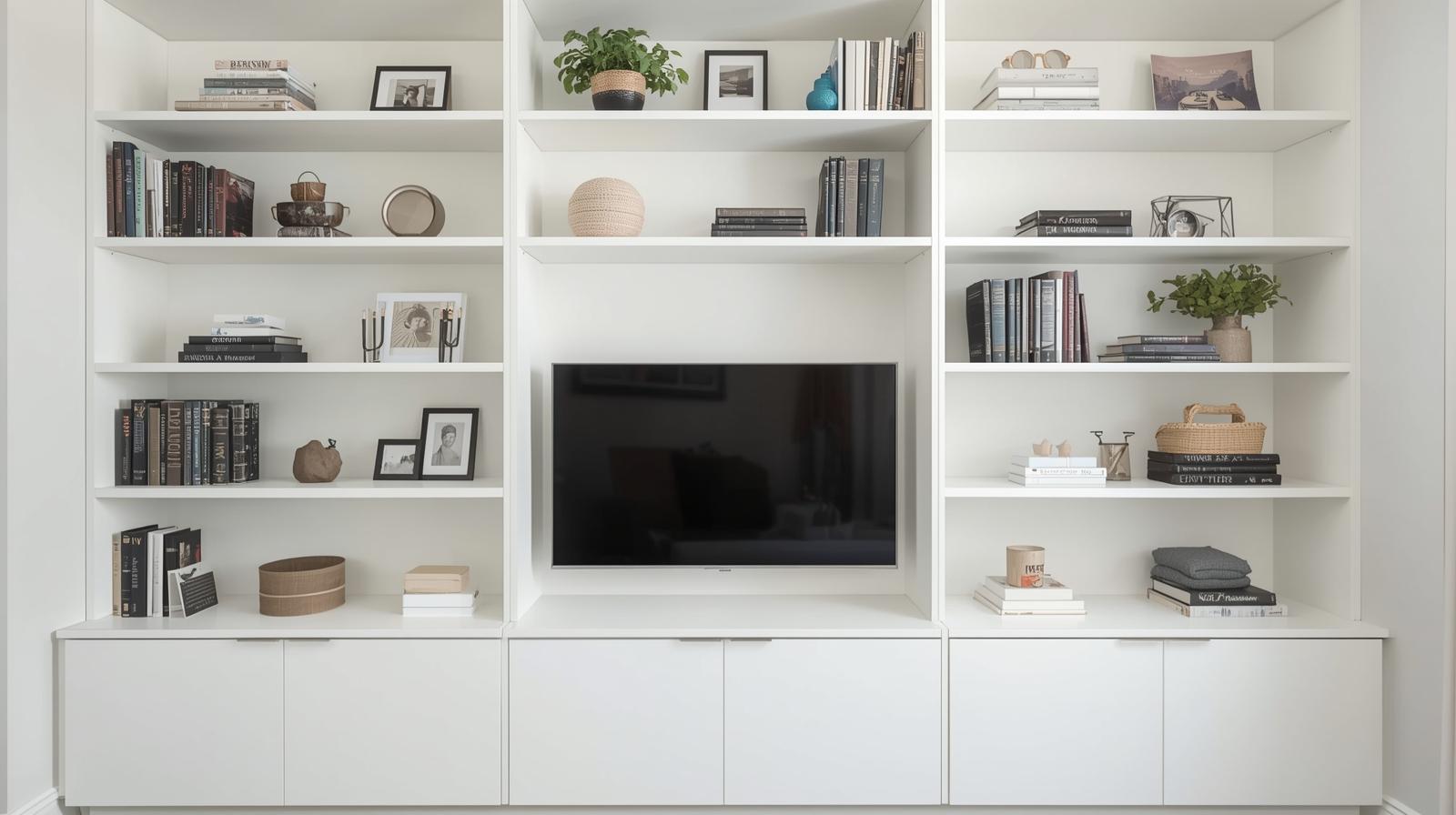
A practical home-organization guide for small Filipino spaces with audit methods, reset routines, and three budget-friendly fixes.
Written by SulitFinds Editorial Team
We prioritize practical local context and reader-first recommendations. See how we research and review content.
Small homes become stressful when items have no fixed place. The issue is rarely total square footage alone. The issue is often system drift: one surface becomes a catch-all, then another, until everything feels crowded.
This guide helps you build a repeatable organization system that stays manageable in compact homes.
Run a 45-minute organization audit
Before buying organizers, map the actual clutter cycle.
Step 1: Identify repeat clutter zones
- Entry area
- Kitchen prep counter
- Bedside or desk surface
- Bathroom shelf
- Shared table surfaces
Step 2: Classify items by use frequency
- Daily use
- Weekly use
- Rarely used
Daily-use items should stay easily accessible. Rarely used items should move to high or closed storage.
Step 3: Measure before browsing
Record shelf height, wall width, and floor clearance. Most bad storage purchases come from skipped measurements.
Core rules for small-space organization
Rule 1: Vertical first
In compact units, upward storage is usually better than expanding outward.
Rule 2: One surface, one primary function
A table that tries to be dining, storage, and workspace becomes clutter-prone.
Rule 3: Category limits
Assign one container per category. If full, remove items before adding new ones.
Rule 4: Fast reset design
If a reset takes more than 10 minutes, the system is too complex.
Three practical picks for common bottlenecks
1) Vertical layered storage
Why it made the shortlist:
- Converts horizontal clutter into layered vertical organization.
- Useful for pantry overflow and mixed household items.
- Helps keep frequently used goods visible and grouped.
Verify before checkout:
- Total height versus shelf clearance.
- Tray depth relative to your containers and items.
2) Window management for visual space control
Why it made the shortlist:
- Cleaner window treatment can reduce visual clutter.
- Helps control light and privacy in small rooms.
- Supports multi-use space setup with less visual noise.
Verify before checkout:
- Exact window width measurement.
- Installation requirements for your wall/frame type.
3) Low-cost soft zoning solution
Why it made the shortlist:
- Can create quick visual partitions in studio layouts.
- Useful for hiding storage corners or open shelves.
- Budget-friendly for early organization upgrades.
Verify before checkout:
- Opacity and light-filtering expectations.
- Rod and hanging compatibility.
Build a 20-minute weekly reset
Use this sequence:
- 5 min: clear flat surfaces
- 5 min: return daily-use items to assigned zones
- 5 min: empty catch-all baskets
- 5 min: trash/donate quick pass
This routine keeps small homes from drifting back into clutter quickly.
Monthly declutter matrix
Use this simple decision grid:
- Keep: used weekly and functionally necessary
- Move: useful but currently in wrong zone
- Store: rare-use but worth keeping
- Remove: unused, duplicate, or broken
Run this once a month to keep storage load controlled.
Budget planning by area
- Entryway setup: P200 to P700
- Kitchen overflow storage: P400 to P1,500
- Bedroom organization add-ons: P300 to P1,200
- Light/privacy zoning tools: P300 to P1,500
Upgrade one area at a time to avoid overbuying.
Common organization failures
- Buying containers before decluttering
- Creating complicated labeling systems no one follows
- Keeping too many backup duplicates
- Ignoring reset-time constraints
If a system cannot be maintained weekly, simplify it.
Troubleshooting common problems
Problem: Counter clutter returns daily
Fix: reduce daily-use category count and assign one grab-and-return zone.
Problem: Storage looks neat but you cannot find things
Fix: prioritize visibility and clear category grouping over aesthetic uniformity.
Problem: Household members do not follow system
Fix: shorten reset steps and make zones obvious without instructions.
Shared-home organization rules
When multiple people use the same small space:
- Assign clear zone ownership where possible
- Keep one neutral shared zone for common items
- Use simple visible limits (one bin per category)
Shared rules prevent recurring clutter conflicts.
90-second daily micro-resets
Use micro-resets between tasks:
- Before leaving home: clear entry drop zone
- After meals: restore kitchen prep surface
- Before sleep: reset bedside and desk surface
Short resets reduce the need for large weekend cleanup sessions.
Quarterly declutter categories
Every 3 months, review:
- Duplicates
- Broken items awaiting repair
- Seasonal items not used in current cycle
- "Maybe useful" items untouched for months
Quarterly review keeps long-term storage from silently expanding.
Behavior triggers that keep systems from drifting
Tie reset habits to existing routines:
- After arriving home: clear entry zone before sitting down.
- After meals: reset one kitchen surface before leaving the room.
- Before bed: do one-minute desk or bedside reset.
Habit anchors reduce reliance on motivation and improve long-term consistency.
Organization purchase guardrails
Before buying another organizer, confirm:
- It solves one recurring weekly bottleneck.
- It fits measured dimensions.
- It reduces reset time instead of adding steps.
If any answer is no, postpone purchase and optimize placement first.
FAQ
What should I organize first?
Start with the most-used daily frustration zone, often kitchen counter or entry area.
Do small homes need many organizers?
No. They need a few well-matched organizers and a consistent reset routine.
How often should I declutter?
Weekly light resets plus a monthly deeper pass works for most homes.
Can curtains really help organization?
Yes, as a visual zoning tool in multipurpose rooms, especially in studios.
Affiliate disclosure: Some links may be affiliate links. SulitFinds may earn a small commission from qualifying purchases.
Links may lead to Shopee or TikTok Shop listings. Always review seller ratings, product details, and return policies before buying. Purchases are your responsibility. See Disclaimer.