 SulitFinds
Budget Everyday Carry Accessories and Organizers in the Philippines
A practical EDC organizer guide for Filipino commuters with carry-load planning, security layering, and three budget picks.
Written by SulitFinds Editorial Team
We prioritize practical local context and reader-first recommendations. See how we research and review content.
A good EDC setup reduces decision fatigue. You spend less time searching for essentials, less time repacking, and less risk losing items in crowded spaces. The goal is not to carry more gear. The goal is to carry the right gear in predictable locations.
This guide is designed for commuters, students, and workers who need a reliable daily carry system.
Build your EDC by role, not by aesthetics
List your daily items and categorize them:
- Identity and payment: IDs, cards, cash
- Connectivity and power: cable, charger, earbuds
- Security and access: keys, access cards
- Health and hygiene: sanitizer, meds, tissue
When categories are clear, choosing organizers becomes easier and less impulsive.
Carry weight budget rule
Many EDC issues are caused by overloading.
Set a base carry target:
- Light day target: under 1.2 kg
- Standard day target: 1.2 to 2.0 kg
- Heavy day exception: over 2.0 kg only when necessary
If your carry exceeds target daily, remove duplicates and low-frequency items first.
Three-layer EDC structure
Layer 1: Main bag
Holds core high-volume items.
Layer 2: Organizer pouch
Keeps cables and small gadgets sorted.
Layer 3: Quick-access mini zone
For fare, IDs, and keys used often during transport.
This structure minimizes repacking errors and reduces item loss.
Security checklist for Philippine commuting
- Prefer zip closures over open pockets
- Keep high-value items on body-facing side
- Use front-carry position in dense crowds
- Avoid displaying cash/cards during transit transitions
Security setup should be part of EDC design, not an afterthought.
Rain and humidity protocol
Sudden rain is common. Prepare your carry accordingly.
- Keep electronics in an inner pouch
- Add small moisture barrier (zip pouch) for cables
- Dry bag interior weekly to prevent odor and mildew
Water resistance is helpful, but storage discipline matters more.
Three practical picks
1) Tech organizer layer
Why it made the shortlist:
- Organizes cables, small adapters, and compact accessories.
- Reduces tangling and connector wear.
- Easy to transfer between work, school, and travel bags.
Check before checkout:
- Internal compartments for your actual cable set.
- Zipper and stitching durability from long-term feedback.
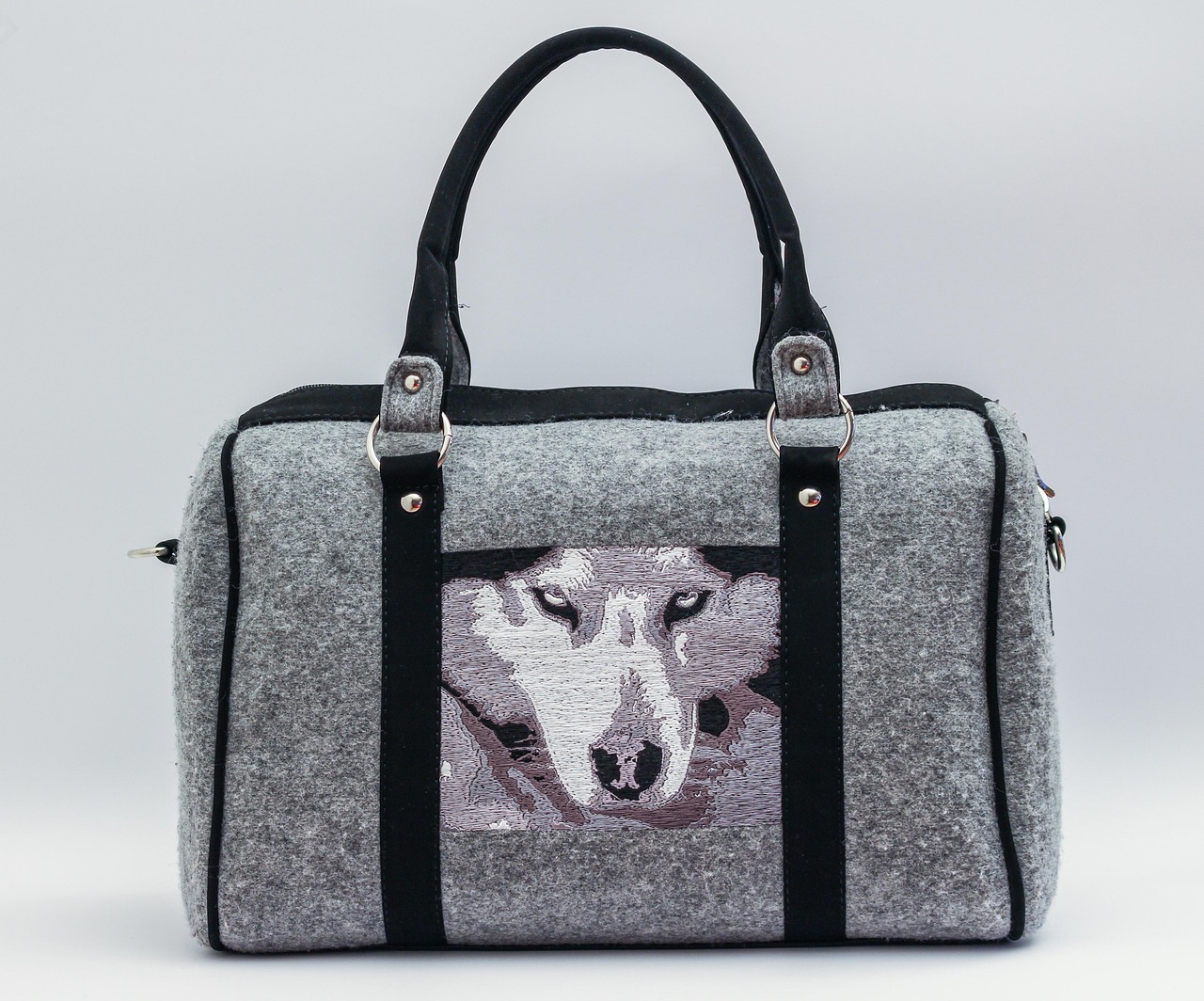
2) Main daily carry option
Why it made the shortlist:
- Lightweight profile suitable for everyday commuting.
- Multiple compartments for basic item separation.
- Budget-friendly entry point for first EDC setup.
Check before checkout:
- Strap comfort when loaded.
- Zipper quality and pocket depth.
3) Compact secure front-carry option
Why it made the shortlist:
- Front-position carry improves control in crowded routes.
- Water-resistant material helps in variable weather.
- Good for minimal-carry users prioritizing security.
Check before checkout:
- Fit for your phone and wallet dimensions.
- Strap length range for your preferred wear style.
Practical pocket map examples
Student profile
- Front pocket: ID + transit cash
- Main compartment: notebook, charger, umbrella
- Organizer pouch: cable + earbuds + USB
Office commuter profile
- Quick-access slot: building card + fare card
- Main compartment: wallet, power bank, keys
- Inner pouch: backup cable + medicine + sanitizer
Weekend errands profile
- Minimal mode: phone, wallet, keys, one cable
- Keep bulk accessories at home unless needed
A pocket map should match your routine and remain consistent.
Weekly EDC maintenance routine
- Remove all items and clean interior surfaces
- Check cable and zipper condition
- Repack by category in fixed positions
- Remove low-frequency items you did not use all week
A 10-minute weekly routine prevents clutter creep.
Monthly EDC audit questions
- Which item was unused for 30 days?
- Which item caused repeated friction?
- Is bag weight still within your target?
- Are there duplicate tools you can remove?
EDC should evolve with your schedule, not stay static.
Common EDC mistakes
- Carrying too many "just in case" items
- Mixing sharp keys with phone screens
- No dedicated cable location
- Switching bag layout every day
Predictability is a core EDC advantage.
Commute-distance loadout templates
Build carry kits by expected time outside home:
Under 4 hours
- Phone, wallet, keys
- One compact cable or mini charger
- Small hygiene item
4 to 8 hours
- Standard essentials plus backup power option
- Basic organizer pouch for cables and small items
- Light rain protection for electronics
8+ hours or uncertain return time
- Primary and backup charging plan
- Small health essentials (basic meds, sanitizer, tissue)
- Structured bag layout with dedicated quick-access zone
This keeps weight controlled while preserving reliability.
Theft-reduction behavior routine
Gear matters, but behavior matters more in crowded routes:
- Zip-check before and after every transfer point.
- Keep bag in front during dense foot traffic.
- Avoid opening full bag contents in exposed public areas.
- Prepare fare/card access before reaching turnstiles or boarding lines.
Small habits reduce distraction and prevent avoidable losses.
Seasonal EDC adjustments
Your loadout should change with weather and schedule shifts:
- Rainy months: add moisture barriers and prioritize water-resistant outer layers.
- Hot months: reduce unnecessary weight and keep hydration access easier.
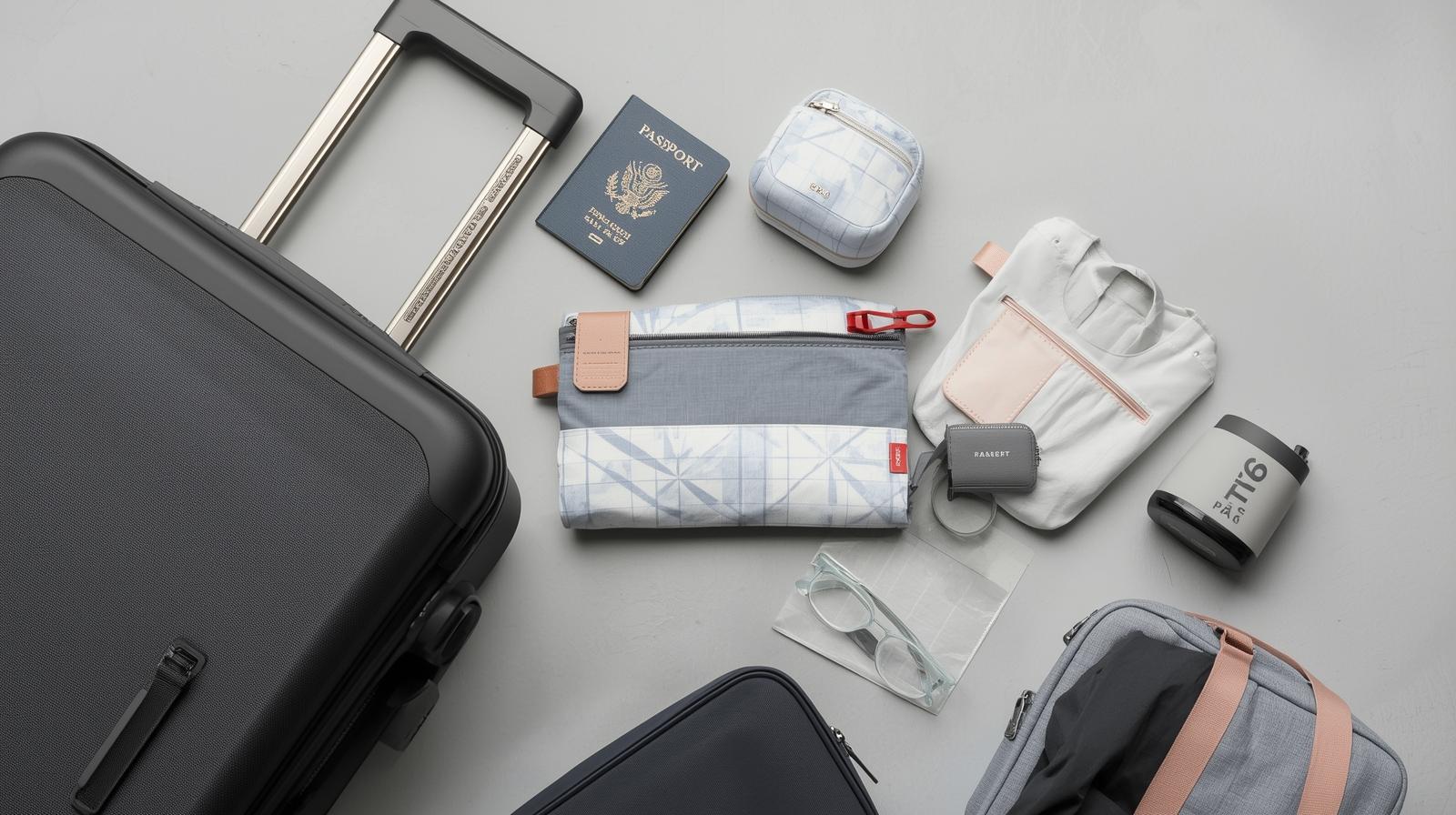
- High-travel periods: add document and ticket organization support.
Review once per season so your setup stays practical instead of static.
30-second daily exit check
Before leaving home, confirm:
- Core three: phone, wallet, keys
- Power layer: cable and backup charge source
- Access layer: ID and transit card in quick-reach slot
This micro-check prevents most forgotten-item problems.
FAQ
Sling bag or chest bag for commuting?
Both work. Chest-style front carry may offer better control in dense crowd conditions.
Do I need a separate organizer pouch?
If you carry more than one cable/accessory daily, yes. It improves access and reduces wear.
How often should I declutter EDC items?
Weekly resets are enough for most users, with a deeper monthly audit.
What is the biggest EDC upgrade for beginners?
A consistent pocket map. Better organization often beats buying more gear.
Affiliate disclosure: Some links may be affiliate links. SulitFinds may earn a small commission from qualifying purchases.
Links may lead to Shopee or TikTok Shop listings. Always review seller ratings, product details, and return policies before buying. Purchases are your responsibility. See Disclaimer.