 SulitFinds
Budget Cookware Sets for Small Kitchens in the Philippines
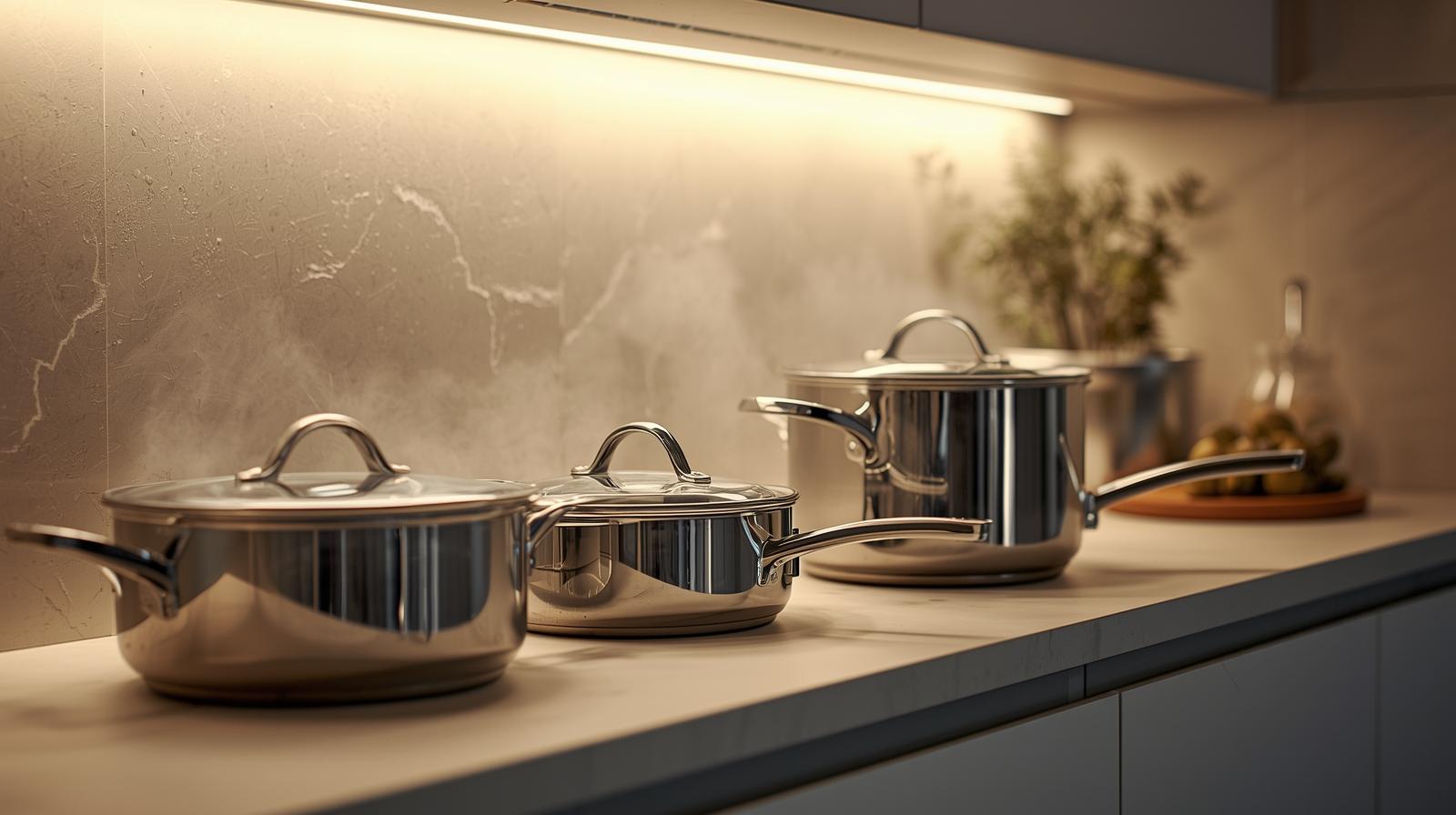
A practical cookware guide for small Filipino kitchens with a menu-based setup method, durability checks, and three budget picks.
Written by SulitFinds Editorial Team
We prioritize practical local context and reader-first recommendations. See how we research and review content.
In small kitchens, cookware choices affect more than cooking quality. They affect storage, cleanup time, and how stressful meal prep feels after a long day. The goal is to own fewer pieces that cover most meals well.
This guide uses a menu-first approach so you can buy cookware that matches your actual routine.
Start with your weekly menu, not product catalogs
List 5 to 7 meals you cook most often. Then map cookware needs.
| Meal type | Typical cookware need |
|---|---|
| Fried eggs, fish, stir-fry | Frying pan |
| Soup, noodles, boiled dishes | Medium pot |
| Sauces, reheating, small portions | Saucepan |
If one set covers these tasks efficiently, you already have a strong baseline.
Minimal cookware baseline for compact homes
For many 1 to 4 person households:
- 1 nonstick frying pan (daily workhorse)
- 1 medium pot with lid (soups and boiling)
- 1 small saucepan (reheat and side prep)
You can add specialized pieces only after repeated need appears.
Stove compatibility checks
Before checkout, confirm heat source compatibility.
- Gas stoves: most cookware works
- Induction: requires magnetic base
- Electric hotplates: needs flat, stable bottom
Do not assume compatibility from title text alone. Check detailed specs and buyer confirmation.
Durability checks that matter in budget sets
Heat behavior
Look for review feedback on uneven heating and warping. Hot spots waste ingredients and increase sticking risk.
Handle security
Loose handles are a safety issue. Check comments after several months, not only day-one impressions.
Lid fit quality
Poor lid fit reduces simmer control and increases cooking time.
Coating longevity
For nonstick cookware, watch for patterns like early peeling or easy scratching.
Three practical picks
1) Core cookware foundation
Why it made the shortlist:
- Multi-piece coverage for common daily cooking tasks.
- Nonstick format reduces cleanup effort.
- Better starting value than buying random individual pieces.
Check before checkout:
- Included piece sizes for your household portions.
- Exact stove compatibility details.
2) Precision oil and mess control
Why it made the shortlist:
- Improves portion control and reduces spills.
- Small, high-frequency-use upgrade.
- Easy to place near prep zone.
Check before checkout:
- Spout leak behavior and cap seal feedback.
- Ease of cleaning and refill process.
3) Compact drainage support
Why it made the shortlist:
- Helps maintain sink workflow in tight layouts.
- Low-cost support tool after cooking sessions.
- Useful for one- to two-person daily dish volume.
Check before checkout:
- Counter/sink fit and drainage tray setup.
- Stability with your usual plate and bowl sizes.
Care routine that extends cookware lifespan
- Use medium heat for most nonstick tasks
- Avoid metal utensils on coated surfaces
- Cool before washing to reduce warping risk
- Dry fully before stacking
- Separate stacked pans with a soft liner when possible
Good care can add substantial usable life to budget cookware.
Storage planning for small kitchens
Zone model
- Zone A (stove-adjacent): most-used pan and tools
- Zone B (prep area): oils, ladles, chopping tools
- Zone C (reserve): low-frequency cookware and extras
This reduces movement and keeps prep flow efficient.
Vertical lid storage
Store lids vertically if possible. It frees shelf depth and speeds access during active cooking.
When to replace cookware
Replace when these signs appear:
- Coating visibly peeling or flaking
- Severe warping causing unstable contact on stove
- Handle looseness that cannot be safely corrected
- Persistent sticking despite proper preheat and care
Do not delay replacement of unsafe pieces.
Budget planning and cost-per-use
Use cost-per-use instead of sticker price only.
Example:
- P2,000 set used 300 times in a year = P6.67 per use
- P1,000 set used 80 times before failure = P12.50 per use
Higher upfront cost can still be better value if durability is significantly better.
Common buying mistakes
- Buying by piece count instead of practical menu needs
- Choosing oversized cookware for small burners
- Ignoring weight (heavy sets can be hard to handle daily)
- Skipping long-term review checks
A smaller, better-matched set often performs better than a large low-quality set.
Burner-to-pan matching guide
Small kitchens often use compact burners, so size matching is important:
- Use smaller pans on smaller burners for more even heat.
- Avoid very wide pans on narrow burners because center hot spots increase sticking.
- For mixed dishes, choose medium pans that match your most-used burner.
Correct size matching improves cooking consistency and reduces energy waste.
14-day cookware trial protocol
After buying a new set, run this quick evaluation:
- Test one fry, one simmer, and one boil scenario.
- Note any unusual sticking, warping, or uneven browning.
- Check handle stability after repeated heating.
- Review cleanup time versus your old setup.
If daily friction remains high after proper use, the set may be a mismatch for your routine.
Small-kitchen cleanup optimization
Cookware quality matters, but workflow matters too:
- Clean while the next dish is cooking (safe stages only).
- Keep one dedicated drying lane for cookware items.
- Return high-use pan and pot to fixed positions after drying.
This reduces sink pileups and keeps cooking sessions manageable on busy days.
Upgrade path after six months
If you can only upgrade one item later, choose based on highest weekly use:
- Heavy stir-fry use: upgrade frying pan first.
- Frequent soups/noodles: upgrade medium pot first.
- Reheat-heavy routine: upgrade saucepan first.
Targeted upgrades usually give better value than replacing everything at once.
FAQ
Should beginners buy a full set immediately?
Only if most pieces will be used weekly. Otherwise start with core pieces and add gradually.
Is nonstick always the best choice?
For many small households, nonstick is convenient. But care habits are crucial for longevity.
How long can budget nonstick sets last?
It varies by heat habits, utensil use, and cleaning style. Proper handling can extend life significantly.
What should be upgraded first later on?
Upgrade the piece that sees the highest daily load and shows clear wear signs.
Affiliate disclosure: Some links may be affiliate links. SulitFinds may earn a small commission from qualifying purchases.
Links may lead to Shopee or TikTok Shop listings. Always review seller ratings, product details, and return policies before buying. Purchases are your responsibility. See Disclaimer.