 SulitFinds
Budget Cookware and Kitchen Essentials for Small Apartments in the Philippines
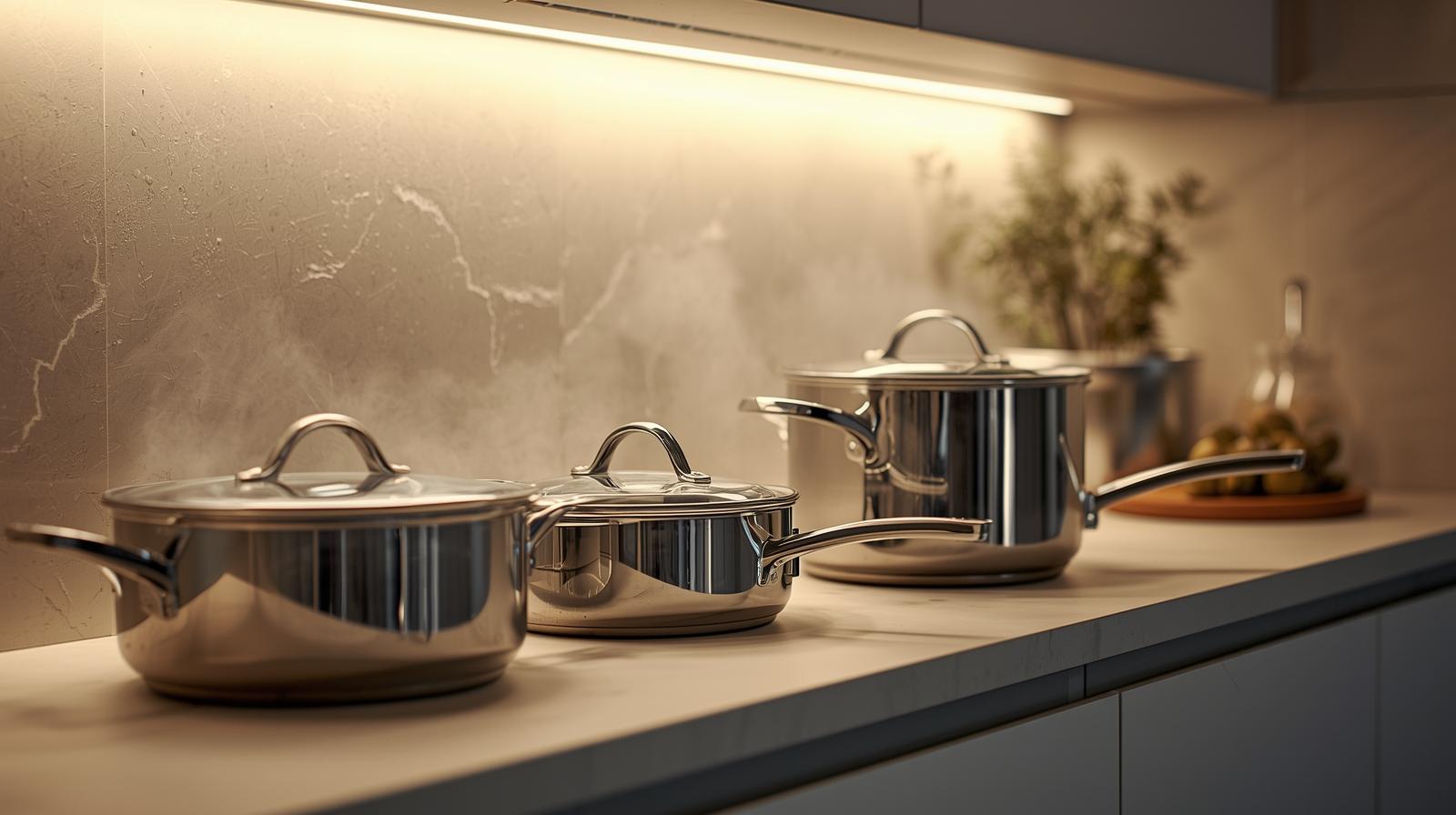
A practical cookware setup guide for small apartments in the Philippines with menu-based planning, workflow zones, and three budget picks.
Written by SulitFinds Editorial Team
We prioritize practical local context and reader-first recommendations. See how we research and review content.
In small apartments, kitchen performance depends on two things: tool fit and workflow. If cookware is mismatched to your menu and storage, even simple meals feel slow and stressful.
This guide helps you build a compact setup that covers daily cooking without clutter.
Menu-first planning method
Before shopping, list your top weekly meals. Then map cookware needs.
| Meal pattern | Essential cookware |
|---|---|
| Frying and sauteing | Frying pan |
| Soups and noodles | Medium pot with lid |
| Reheating and sauces | Small saucepan |
If your setup covers these three roles well, you can handle most daily cooking.
Starter system for small apartments
Practical baseline:
- 1 nonstick frying pan
- 1 medium pot with lid
- 1 small saucepan
- 1 spatula and 1 ladle
- 1 cutting board and 1 chef knife
Add specialized tools only when a repeated need appears.
Stove compatibility checks
Always verify heat-source compatibility before buying:
- Gas stove: broad compatibility
- Induction: requires magnetic base
- Electric coil/hotplate: needs stable flat base
Do not rely on title keywords alone. Check detailed specifications and review photos.
What to evaluate in budget cookware
Heat behavior
Look for feedback on hot spots and warping.
Handle reliability
Loose handles reduce safety and control.
Coating durability
For nonstick sets, check medium-term wear comments.
Storage footprint
Stackability and lid storage can make or break compact kitchens.
Three practical picks
1) Core cooking set
Why it made the shortlist:
- Covers common daily cooking tasks in one purchase.
- Nonstick surfaces reduce cleanup friction.
- Practical default for first apartment kitchen setups.
Check before checkout:
- Piece dimensions and actual usable capacities.
- Compatibility with your stove type.
2) Oil-control support tool
Why it made the shortlist:
- Helps control oil volume and reduce countertop mess.
- Low-cost tool with high daily-use frequency.
- Easy integration in prep workflow.
Check before checkout:
- Spout leak behavior and cap fit.
- Ease of cleaning after repeated use.
3) Compact dish storage support
Why it made the shortlist:
- Helps manage dish workflow in storage-limited kitchens.
- Vertical approach supports compact layouts.
- Freestanding format suitable for many rental setups.
Check before checkout:
- Counter/height fit in your current kitchen layout.
- Shelf spacing for your dish set sizes.
Workflow zoning for faster cooking
Create three zones:
- Prep zone: board, knife, frequently used ingredients
- Cook zone: stove, pan, ladle, oil dispenser
- Wash zone: sink, drainer, dish cabinet
Zone-based layout reduces back-and-forth movement and speeds cleanup.
Care routine for long-term value
- Cook mostly on low to medium heat for nonstick longevity
- Use silicone/wood utensils on coated surfaces
- Cool cookware before washing
- Dry fully before stacking
Consistent care extends lifespan more than brand premiums in many cases.
Storage strategy in small kitchens
- Store high-frequency tools at arm-level reach
- Keep low-frequency items in upper shelves
- Use one dedicated bin for loose accessories
- Avoid duplicate tools with overlapping functions
Every duplicate item has storage and cleaning cost.
Budget phasing plan
Phase 1: Core function
- Cookware set
- Basic prep tools
Phase 2: Workflow support
- Oil dispenser
- Dish storage or drain support
Phase 3: Optimization
- Additional specialty items based on repeated use
This prevents overspending on items you may rarely use.
Common apartment-kitchen mistakes
- Buying many specialty tools before core setup is stable
- Ignoring storage depth and shelf height constraints
- Choosing sets that are too large for burners
- No fixed placement for high-use tools
Efficiency comes from fit and consistency.
One-burner optimization tips
Many apartment kitchens run on limited cooking surfaces. For one-burner setups:
- Prep ingredients fully before heating
- Use one pot sequence (boil, rinse, reuse) when appropriate
- Stage utensils in order of use to avoid clutter
Process planning often improves cooking speed more than buying extra tools.
2-week cookware fit test
After setting up your cookware, evaluate:
- Did each core piece get used at least twice per week?
- Did any item create storage or handling friction?
- Did cleanup time improve compared to previous setup?
If an item remains unused in two weeks, move it to reserve storage before buying anything new.
Replace vs reconfigure decision rule
Replace when:
- A tool has clear safety or performance failure.
Reconfigure when:
- Tool quality is fine but layout causes inefficiency.
Reconfigure first whenever possible to protect your budget.
Storage cap rule for apartment kitchens
Set a hard limit on cookware count to protect space:
- Core set in active use zone
- One backup item per category at most
- Extra pieces moved out or removed if unused for 60 days
This rule prevents gradual cabinet overload and keeps cleanup manageable.
Weeknight efficiency protocol
For busy days, use a simplified flow:
- Pre-stage all ingredients before heating.
- Use one pan plus one pot sequence whenever possible.
- Clean one tool while the other is cooking.
- Reset prep zone before serving.
Process discipline can improve weeknight cooking speed more than buying extra tools.
FAQ
Do I need a full cookware set immediately?
Not always. Start with core pieces and expand only when repeated meal patterns require it.
Is nonstick the best option for beginners?
For many households, yes due to easier cleanup and learning curve. Proper care is important.
What should I upgrade first later on?
Upgrade the highest-use piece showing performance decline.
How do I avoid clutter in a tiny kitchen?
Use zone planning and remove duplicate tools with overlapping functions.
Affiliate disclosure: Some links may be affiliate links. SulitFinds may earn a small commission if purchases are made through them.
Links may lead to Shopee or TikTok Shop listings. Always review seller ratings, product details, and return policies before buying. Purchases are your responsibility. See Disclaimer.