 SulitFinds
Budget Casual Shoes for Everyday Wear in the Philippines
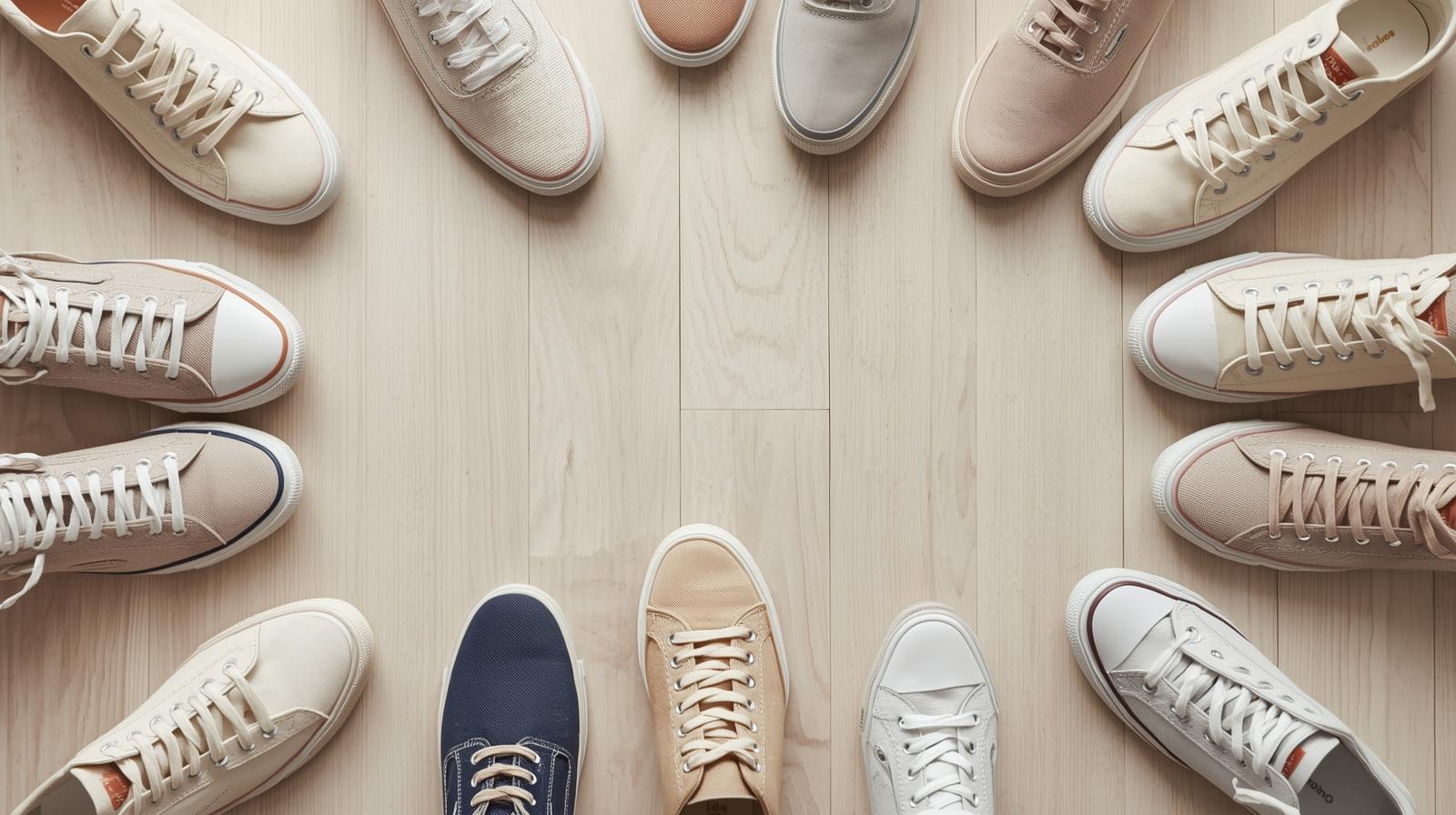
A practical buyer's guide to budget casual shoes in the Philippines, with fit checks, durability tests, and three solid picks.
Written by SulitFinds Editorial Team
We prioritize practical local context and reader-first recommendations. See how we research and review content.
Budget casual shoes can be good enough for daily life if you choose by fit and construction, not hype. In the Philippines, your shoes deal with heat, long walks, smooth mall tiles, and occasional wet sidewalks. A pair that fails these basics becomes expensive fast.
This guide focuses on what matters in real use: comfort over long hours, grip, durability, and value per wear.
Pick based on your weekly routine
Different routines need different shoe characteristics.
| Routine | Priority | Suggested profile |
|---|---|---|
| Office/school + commute | All-day comfort + clean look | Neutral low-profile casual sneaker |
| Mostly walking/errands | Cushioning + grip | Lightweight breathable shoe with flexible sole |
| Mixed use (weekday + weekend) | Versatility | Minimal design in black/white/gray |
If you only plan to buy one pair, choose versatility over trend-driven details.
Fit protocol that reduces returns
Most online shoe mistakes happen because buyers use brand size assumptions. Use foot measurement instead.
- Measure your foot length at night (feet are slightly more swollen after a full day).
- Wear the sock thickness you normally use.
- Compare the result to the seller's cm chart, not just EU/US label.
- Leave around a thumb-width toe allowance for long walks.
If your two feet differ slightly, base size on the longer foot.
Construction checks before ordering
Upper material
- Mesh or woven uppers are more breathable for hot weather.
- Synthetic leather is easier to wipe clean but can feel warmer.
Midsole feel
- Soft is not always better. Very soft soles can feel unstable on long walks.
- Look for comments that mention "okay for whole day" instead of only "magaan".
Outsole grip
- Flat indoor tiles and wet sidewalks need reliable traction.
- Check outsole pattern depth in review photos.
Heel and collar comfort
- Poor heel padding causes friction and blisters.
- If multiple reviews mention heel rubbing, skip.
Shortlist: 3 practical budget picks
1) Women's lightweight everyday sneaker
Why it made the shortlist:
- Lightweight profile for daily commute.
- Soft sole feel for extended wear.
- Easy-to-style casual silhouette.
Check before checkout:
- Recent size feedback from buyers.
- Whether colorways match your wardrobe rotation.
2) Men's versatile outdoor/casual option
Why it made the shortlist:
- Multi-use profile for casual wear and light activity.
- Brand has wider recognition than many generic listings.
- Better candidate for mixed weekday/weekend use.
Check before checkout:
- Weight if you prefer lighter shoes.
- Outsole grip comments in rainy-day reviews.
3) Men's low-cut student budget pick
Why it made the shortlist:
- Budget-friendly entry price.
- Simple low-cut form that works with daily outfits.
- Good for buyers prioritizing affordability first.
Check before checkout:
- Durability feedback after 2 to 3 months.
- Insole comfort if used for prolonged standing.
Surface and weather reality check
In Philippine cities, one pair can face smooth indoor tiles, rough sidewalks, and sudden wet patches in one day. Before buying, prioritize:
- Outsoles with visible grooves (not overly flat fashion soles).
- Upper materials that dry reasonably fast after light rain exposure.
- Midsole stability for curb edges and uneven walkways.
- Grip-focused review comments from commuters, not only fashion-focused reviews.
Style matters, but traction and comfort determine whether you will actually keep wearing the pair.
First-week comfort test protocol
Do this before fully committing to all-day use:
- Wear indoors for 30 to 60 minutes and check heel pressure points.
- Test stair climbing and descending to check toe-box pinch.
- Walk on smooth tiles and outdoor concrete to compare grip.
- Note any numbness or arch fatigue after 2 to 3 hours.
- Adjust lacing before deciding the fit is wrong.
Early testing helps you detect problems while return options are still available.
Build a low-cost two-pair rotation
If budget allows, rotating two affordable pairs can outperform one heavily used pair:
- Pair A: cleaner, versatile look for school/office days.
- Pair B: more breathable and forgiving for errands and long walks.
Benefits of rotation:
- Shoes dry fully between wears, reducing odor and moisture buildup.
- Midsole foam recovers better, keeping comfort more consistent.
- Total lifespan of both pairs usually improves versus single-pair daily abuse.
Even a simple rotation can lower long-term cost per wear.
Signs it is time to replace a pair
Replace earlier when safety or foot comfort declines:
- Outsole grooves are visibly worn smooth in high-contact areas.
- Heel counter collapses and no longer stabilizes your foot.
- Midsole feels permanently flattened with no rebound.
- Upper tears near flex points and keeps worsening.
Do not wait for complete failure if you rely on the pair for daily commuting.
Break-in plan for new shoes
Many shoes fail because people do full-day wear immediately.
- Day 1 to 2: 1 to 2 hours indoor wear.
- Day 3 to 4: Short outdoor walk.
- Day 5 onward: Full-day use if no heel friction.
If hot spots appear, use blister tape early instead of waiting for skin damage.
Extend lifespan with simple care
- Rotate between at least two pairs if possible.
- Dry shoes fully before next wear, especially during rainy weeks.
- Clean outsole grooves so grip does not degrade.
- Replace insoles when cushioning flattens.
Rotating pairs can significantly improve comfort and durability over time.
Value check: cost per wear
Use this quick formula:
- Cost per wear = shoe price / total uses.
Example:
- P1,200 pair worn 240 times in one year = P5 per wear.
- P700 pair worn 70 times = P10 per wear.
A slightly pricier pair can be better value if comfort and durability are higher.
FAQ
Can budget shoes handle daily commuting?
Yes, many can. The key is choosing the right fit and checking durability reviews beyond first impressions.
How many pairs should a student or office worker keep?
Two pairs is ideal: one primary pair and one rotation pair. This improves comfort and extends shoe life.
Should I size up automatically for online orders?
Not always. Follow cm measurements and buyer feedback for that exact listing.
Affiliate disclosure: Some links may be affiliate links. SulitFinds may earn a small commission if you purchase through them.
Links may lead to Shopee or TikTok Shop listings. Always review seller ratings, product details, and return policies before buying. Purchases are your responsibility. See Disclaimer.