 SulitFinds
Budget Bags for Daily Carry in the Philippines: Sling, Tote, and Compact Picks
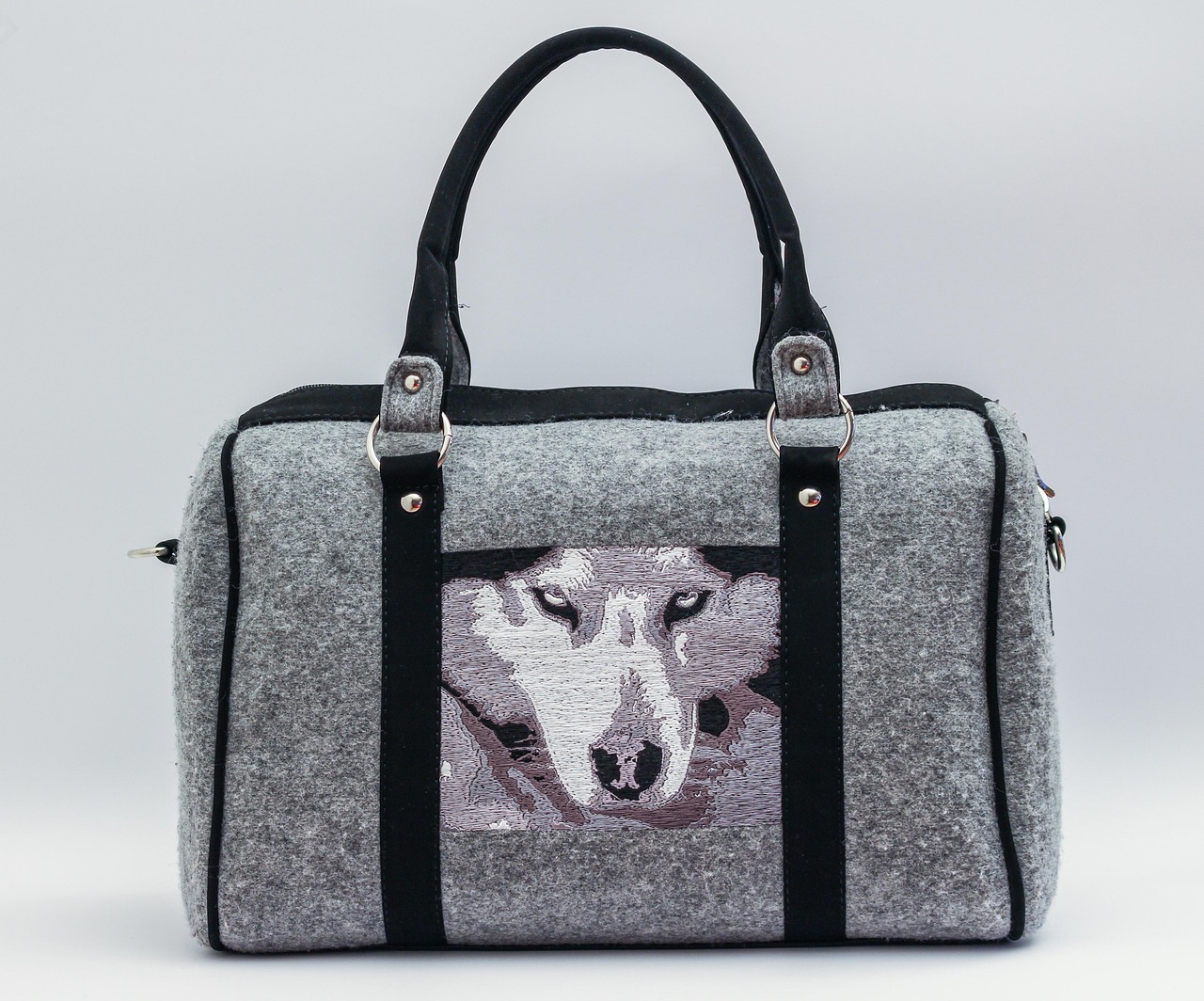
How to choose a daily carry bag for commuting in the Philippines, with practical sizing rules and three budget picks.
Written by SulitFinds Editorial Team
We prioritize practical local context and reader-first recommendations. See how we research and review content.
Most bag reviews focus on looks. Daily carry in the Philippines is more practical than that: heat, sudden rain, crowded commutes, and long days outside. If a bag is uncomfortable, too small, or poorly built, you will stop using it even if it looked good online.
This guide is built around function first. You will get a quick method to choose the right size, avoid weak construction, and pick a bag that matches your routine.
Start with your real daily load
Before checking listings, write your everyday carry list. Use your actual items, not guesses.
| Carry profile | Typical items | Best bag type |
|---|---|---|
| Essentials only | Phone, wallet, keys, small power bank | Compact sling or chest bag |
| Commute + extras | Essentials + umbrella + small pouch | Medium crossbody |
| Office or school light load | Essentials + notebook/tablet + charger | Small or medium tote |
A common mistake is buying "just in case" capacity. Oversized bags become shoulder strain and look bulky in tight public transport.
Three checks that prevent buyer regret
1. Size check using your own items
Put your daily carry on a table, then group items into a rectangle. Compare that footprint to the listing dimensions.
- Add at least 2 to 3 cm allowance for zipper and lining.
- If a listing only gives one side length, skip it until the seller provides full dimensions.
- Check depth, not just height and width. Depth determines whether items stack cleanly.
2. Strap and load comfort check
If you carry a power bank, bottle, or tablet, strap quality matters more than brand.
- Wider straps usually distribute weight better.
- Adjustable strap range should fit both crossbody and shoulder positions.
- Read reviews for words like "sumasakit" or "masakit sa balikat" after long wear.
3. Closure and pocket layout check
In crowded places, zipper security is more important than aesthetics.
- Prioritize zippered main compartments.
- Front quick-access pockets are good for beep cards and coins.
- At least one inner pocket helps separate keys from phone screens.
Commute checks for Philippine conditions
Rain and humidity
- Prefer coated fabric, nylon blends, or bags with water-resistant notes.
- For canvas and PU bags, keep a foldable rain sleeve or plastic pouch for gadgets.
Crowd safety
- Chest and crossbody carry positions keep valuables closer than loose shoulder carry.
- Avoid always-open totes for MRT/LRT rush hours unless you keep a zip pouch inside.
Heat and sweat
- Heavier materials can feel uncomfortable during midday commutes.
- If you walk often, choose lighter fabrics and avoid unnecessary metal hardware.
Budget picks by use case
These are examples from your current list. Choose based on use case first, then color/style.
1) Everyday light commute: canvas sling
Why it made the shortlist:
- Multi-pocket layout for everyday organization.
- Lightweight profile for students and short commutes.
- Easy to pair with casual outfits.
What to verify before checkout:
- Exact pocket dimensions.
- Strap maximum length if you prefer crossbody fit.
2) Office-casual daily use: shoulder/crossbody hybrid
Why it made the shortlist:
- Cleaner look for office and casual settings.
- Multi-use carry style gives flexibility.
- Practical if you need one bag for weekdays and weekends.
What to verify before checkout:
- Weight when empty.
- Inner organization and zipper quality.
3) Rainy commute and hands-free errands: compact chest bag
Why it made the shortlist:
- Compact shape keeps essentials close to body.
- Better crowd control than loose shoulder bags.
- Useful during unpredictable rain.
What to verify before checkout:
- Whether water resistance is coating-only or seam-protected.
- Strap comfort with a loaded power bank.
5-minute fit test when your bag arrives
- Load the bag with your actual daily carry.
- Walk around your home for 5 minutes.
- Test sitting, bending, and quick-access pocket reach.
- Check if zipper operation is smooth one-handed.
- If straps dig in immediately, it will get worse outdoors.
This simple test prevents keeping bags that only work in photos.
Budget planning: use cost per wear
A useful way to compare options:
- Cost per wear = bag price / estimated number of uses.
Example:
- P900 bag used 180 times in 1 year is P5 per use.
- P600 bag used 60 times is P10 per use.
The cheaper bag is not always the better value.
Rotation strategy if you carry daily
If possible, rotate two bags by use case:
- One for commute-heavy weekdays
- One for lighter errands or weekend use
Rotation reduces strap wear and gives each bag time to dry, which helps in humid weather.
FAQ
What is the safest bag type for crowded commutes?
Crossbody or chest bags with full zipper closure are usually safer because valuables stay close to your body.
Is PU leather okay for daily carry?
Yes for light-to-moderate use, but it needs basic care. Avoid prolonged rain exposure and wipe dry after commutes.
Should I choose many pockets or one large compartment?
For daily carry, a balanced layout works best: one secure main compartment plus a few quick-access pockets.
If a bag has too many tiny pockets, usable space often becomes worse.
Affiliate disclosure: Some links may be affiliate links. If you buy through them, SulitFinds may earn a small commission at no extra cost to you.
Links may lead to Shopee or TikTok Shop listings. Always review seller ratings, product details, and return policies before buying. Purchases are your responsibility. See Disclaimer.